Welcome To Zhengzhou Livi Machinery Manufacturing Co., Ltd
E-mail:poultry@livichickencage.com


| Destination | Zambia |
|---|---|
| Equipment | H-type Layer Battery Cage System |
| Configuration | Four tiers |
| Quantity | 420 sets |
| Capacity per set | 144 laying hens |
| Total capacity | 60,480 laying hens |
| Planned layout | Two rows, 210 sets per row |
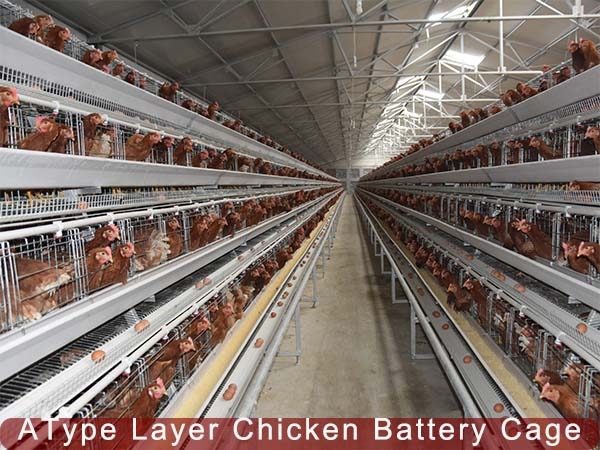
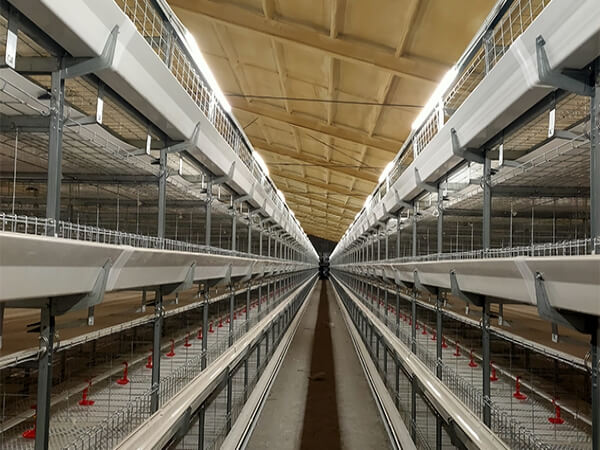
The customer selected a four-tier H-type cage configuration for this 60,480-layer project. By stacking the cage tiers vertically, the system provides the required capacity in two main rows instead of spreading the flock across a larger number of low-rise cage lines.
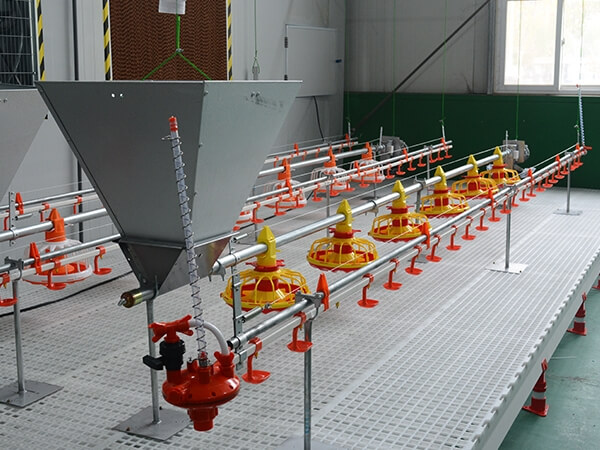
For a farm of this size, the H-type structure also makes it easier to connect automatic feeding, nipple drinking, manure belts and egg collection along the cage rows. Feed can be delivered to each tier, manure is collected below the cages, and eggs move to the collection side after laying. Staff can carry out routine inspection from the aisles without entering the cage area.
The two-row layout keeps daily work straightforward. Each row represents half of the flock, allowing the farm to organize equipment operation and production records by row. It also leaves a clear route for staff and for the transfer of eggs and manure at the ends of the cage lines.
Each cage section provides fixed access to feed and nipple drinking water. The cage-floor slope allows eggs to roll outside the bird area after laying, while manure drops onto the cleaning belt below.
Feeding, drinking, egg collection and manure removal follow the direction of the two cage rows, reducing repeated manual handling in a house with more than 60,000 layers.
Before loading, the cage components were checked against the project order and grouped for transport. Cage meshes, frames and other long parts were bundled, while fittings and smaller accessories were packed separately for easier identification after arrival.
The 420 sets contain a large number of repeated components, so clear packing marks are important. When the equipment reaches the farm, the installation team can sort the materials by cage row and follow the packing list without mixing parts from different stages of assembly.
The customer can use the shipping period to complete the poultry house, water and electrical connections, and the working areas at both ends of the cage rows. Once the equipment arrives, installation will follow the confirmed two-row layout.
This shipment gives poultry farmers a useful reference for a project of about 60,000 layers: 420 sets of the selected 144-bird cage model provide a total capacity of 60,480 hens. A different project may use another cage model or row quantity, depending on its target capacity and poultry-house dimensions.
For LIVI to prepare a cage layout, the most useful information is the planned number of layers and the internal length, width and height of the poultry house. The project team can then calculate the cage quantity, arrange the rows and match the required feeding, drinking, manure-removal and egg-collection equipment.
Send your target capacity and poultry-house dimensions to receive an H-type layer cage configuration and quotation.
WhatsApp: +86 131 0741 2960 Submit Project Details